
Cold Plunges
A cold plunge for home makes it easy to make cold immersion part of your daily routine. Athletes, high performers, and recovery focused individuals use cold plunge systems to support post training recovery, build mental resilience, and lock in a consistent wellness practice.
Unlike ice baths that require constant ice replenishment, modern cold plunge systems feature integrated chillers that maintain consistent water temperature between 37 and 55°F. This allows for daily cold immersion sessions without the logistical hassle of ice procurement or temperature inconsistency.
What to Consider When Choosing a Cold Plunge:
Size and Capacity — Cold plunge tubs range from compact single person barrels (80 to 120 gallons) to full size acrylic or stainless steel pools (200+ gallons). Consider your available space and whether you need room for full body immersion or seated cold immersion.
Chiller Integration — Some systems include built in chillers, while others require separate chiller units. Integrated systems offer cleaner installation and easier temperature control. Standalone chillers provide more flexibility but require additional space and setup.
Material Construction — Stainless steel offers durability and commercial grade performance. Acrylic provides insulation and aesthetic appeal. Cedar and wood barrels deliver natural materials with traditional design. Inflatable options offer portability for temporary setups.
Temperature Range — Quality cold plunge systems maintain temperatures as low as 37°F. Look for precise digital controls and efficient insulation to minimize energy costs during operation.
Filtration and Maintenance — Integrated filtration systems keep water clean between sessions, reducing the frequency of water changes. Ozone or UV sanitation options provide additional water quality management without harsh chemicals.
Portability vs. Permanent Installation — Inflatable and barrel systems offer portability and easier setup. Acrylic and stainless steel plunge pools are designed for permanent installation with professional grade performance and longevity.
Frequently Asked Questions
How cold should a cold plunge be?
Most cold plunge users settle into a range between 45 and 55°F. Advanced users may go as low as 37 to 39°F. Beginners should start closer to 55 to 60°F and gradually decrease temperature as tolerance builds.
How long should I stay in a cold plunge?
Typical sessions range from 2 to 5 minutes for beginners to 10 to 15 minutes for experienced users. Start with shorter durations and increase gradually. The goal is deliberate cold exposure, not endurance suffering.
Do I need a chiller for a cold plunge?
A chiller is essential for consistent year round cold immersion, especially in warmer climates. Without a chiller, maintaining cold temperatures requires constant ice replenishment, which becomes impractical and expensive for daily use.
How often should I use a cold plunge?
Many users incorporate cold plunges 3 to 7 times per week as part of their routine. Frequency depends on training intensity, goals, and individual tolerance. Daily cold immersion is safe for most healthy individuals.
Can I use a cold plunge and sauna together?
Yes. Alternating between cold plunge and infrared sauna is a popular routine. Many users complete 3 to 4 rounds of sauna heat followed by cold plunge immersion as part of a complete recovery ritual.
What's the difference between a cold plunge and an ice bath?
A cold plunge system maintains consistent temperature through integrated chilling, while ice baths require manual ice addition. Cold plunge systems offer better temperature control, convenience, and long term cost efficiency compared to traditional ice baths.
Sort by
2 products
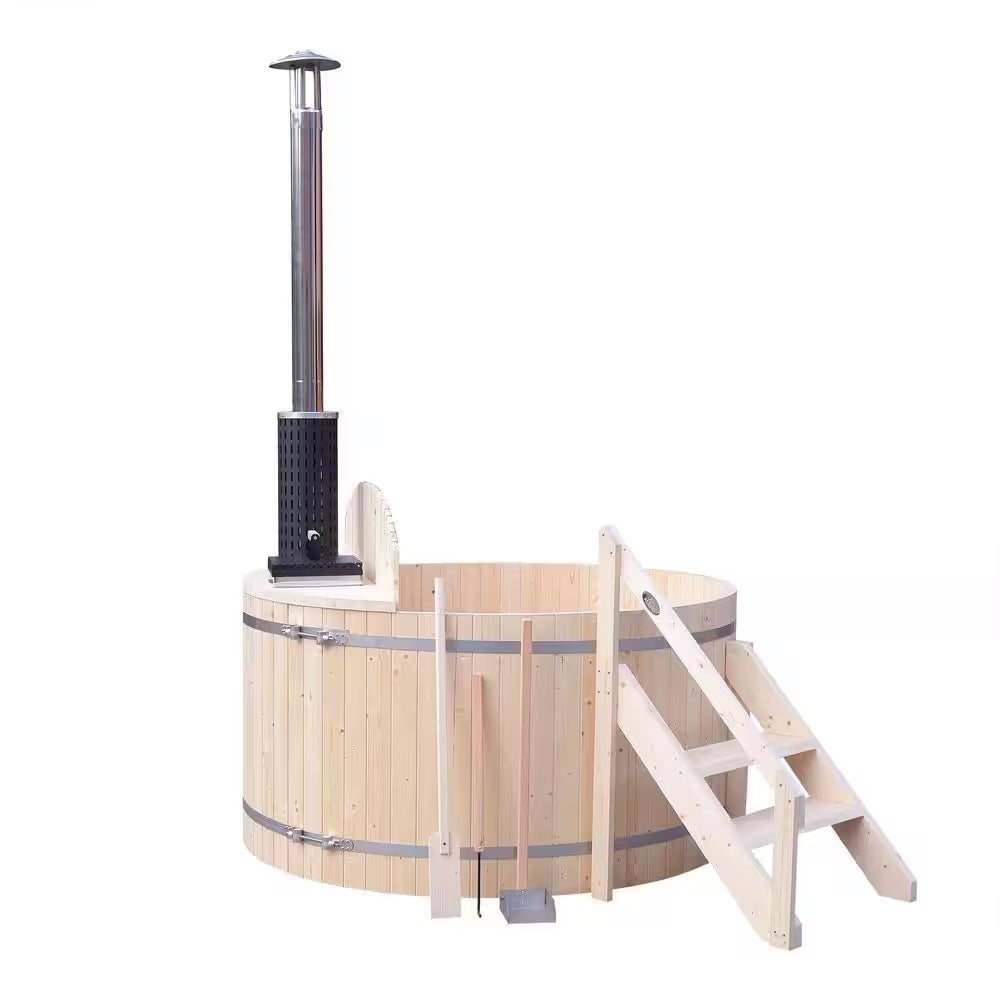
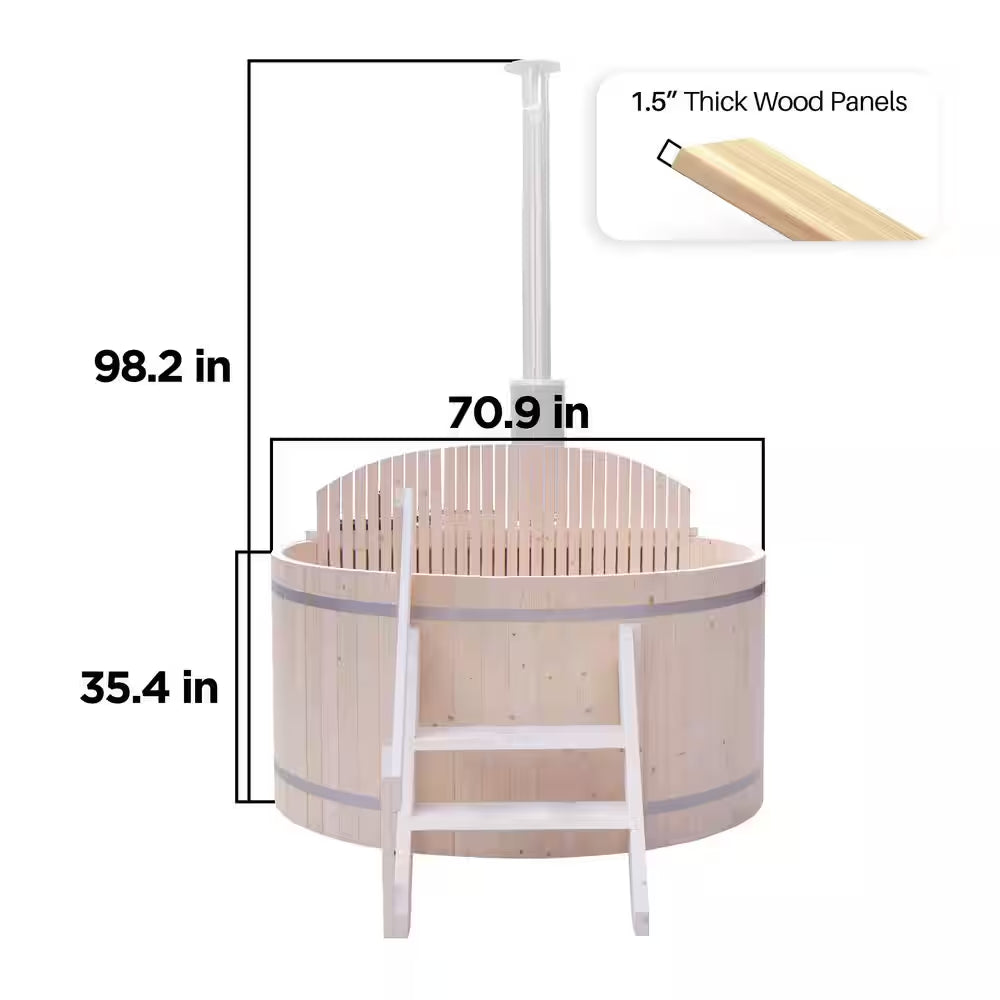
Alta™ Timber Retreat Plunge
Sale price$3,369.99
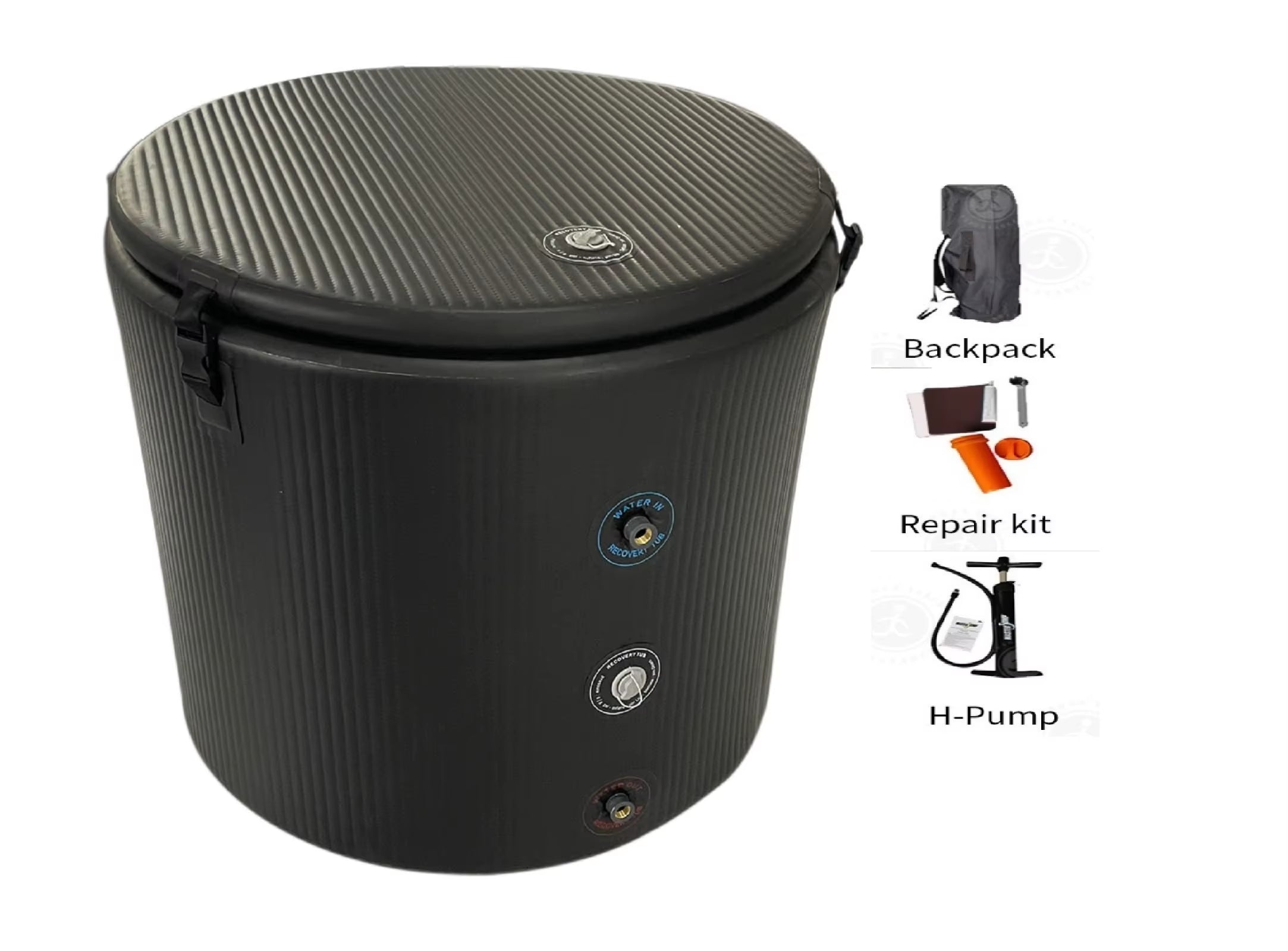
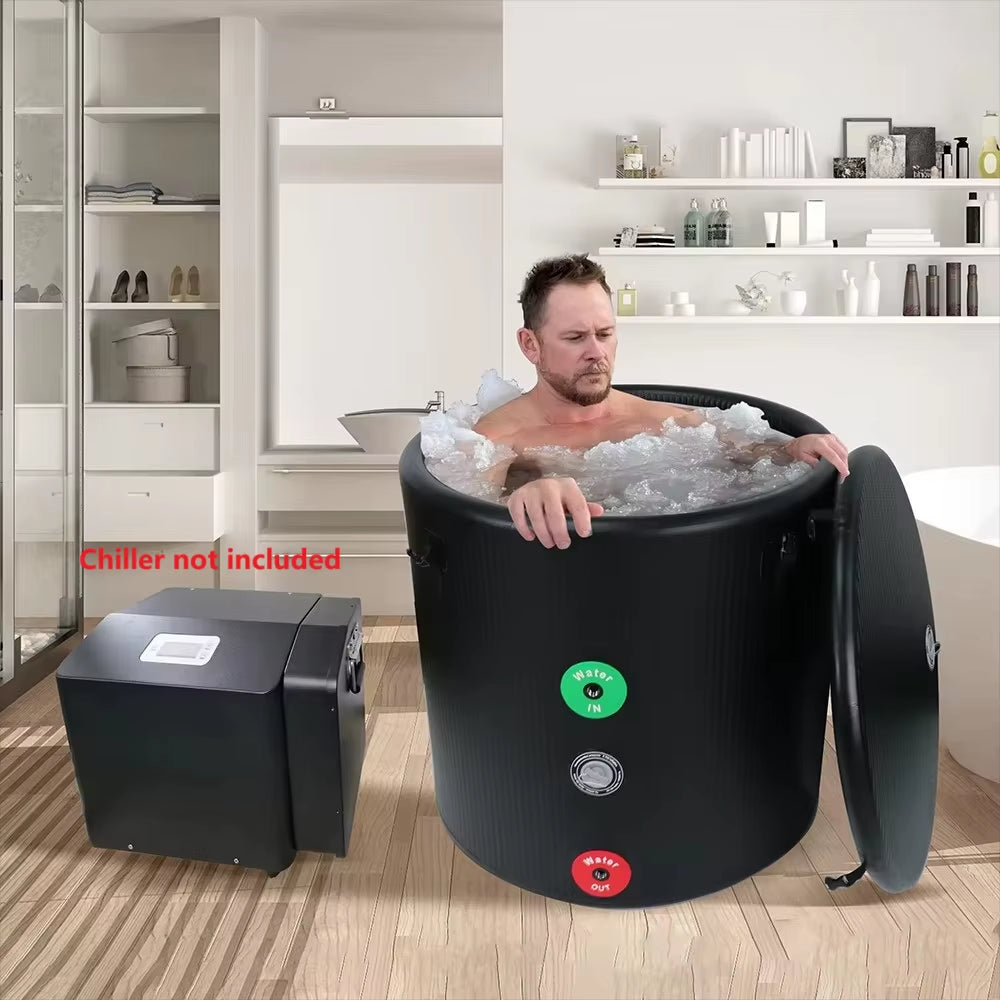
Alta™ Signature Recovery Plunge
Sale price$559.99