
Infrared Saunas
Infrared saunas for home use deliver radiant heat that warms the body directly while operating at lower ambient temperatures than traditional steam saunas. This makes infrared sauna sessions more comfortable and accessible for extended use, supporting daily recovery routines, wellness, and a consistent practice.
Unlike traditional saunas that heat the air around you to 180 to 200°F, infrared saunas use carbon or ceramic heaters to deliver radiant heat directly to the body at temperatures between 120 and 150°F. This allows for longer, more comfortable sessions while still delivering a meaningful heat experience.
What to Consider When Choosing an Infrared Sauna:
Size and Capacity — Infrared saunas are available in 1 person, 2 person, and 3+ person configurations. Single person saunas fit in smaller spaces and offer personal recovery environments. Larger models accommodate couples or family use but require more installation space and electrical capacity.
Heater Type — Carbon fiber heaters provide even heat distribution across larger surface areas with lower EMF output. Ceramic heaters generate more intense localized heat. Full spectrum heaters combine near, mid, and far infrared wavelengths for a comprehensive heat experience.
EMF Levels — Low EMF construction is essential for home sauna use. Quality infrared saunas are engineered to minimize electromagnetic field exposure while maintaining effective heating performance. Look for third party EMF testing and certification.
Wood Construction — Hemlock and Canadian red cedar are the most common sauna woods. Hemlock offers clean grain and neutral scent. Cedar provides natural aroma and traditional sauna aesthetics. Both are durable and suitable for high heat environments.
Control Systems — Digital control panels allow precise temperature and time settings. Bluetooth integration, chromotherapy lighting, and built in audio systems enhance the sauna experience. Pre programmed sessions simplify operation for consistent routines.
Installation Requirements — Most infrared saunas plug into standard 120V outlets and require minimal assembly. Larger models may need 240V circuits. Verify electrical requirements and available space before purchase.
Warranty and Support — Quality infrared saunas include comprehensive warranties covering heaters, wood construction, and electronic components. Verify warranty terms and manufacturer support availability before purchasing.
Frequently Asked Questions
What's the difference between infrared and traditional saunas?
Traditional saunas heat the air to 180 to 200°F using steam or dry heat. Infrared saunas use radiant heat at 120 to 150°F to warm the body directly. Infrared sessions tend to be more comfortable for extended use.
How often should I use an infrared sauna?
Most users settle into 3 to 5 infrared sauna sessions per week, lasting 20 to 45 minutes each. Daily use is safe for healthy individuals. Frequency and duration depend on personal goals, heat tolerance, and individual response.
Are infrared saunas safe?
Infrared saunas are safe for most healthy adults when used properly. Individuals with health conditions, pregnancy, or heat sensitivity should consult a qualified professional before use. Stay hydrated and avoid alcohol before sauna sessions.
What is an infrared sauna session like?
Regular infrared sauna sessions are a comfortable way to build heat exposure into a daily wellness routine. Users typically describe the experience as relaxing, restorative, and easy to integrate into a morning or evening practice.
How much does it cost to run an infrared sauna?
Operating costs average $0.50 to $2.00 per session depending on electricity rates, sauna size, and session length. Most infrared saunas use 1,500 to 3,000 watts. Monthly costs for regular use typically range from $10 to $40.
Sort by
4 products
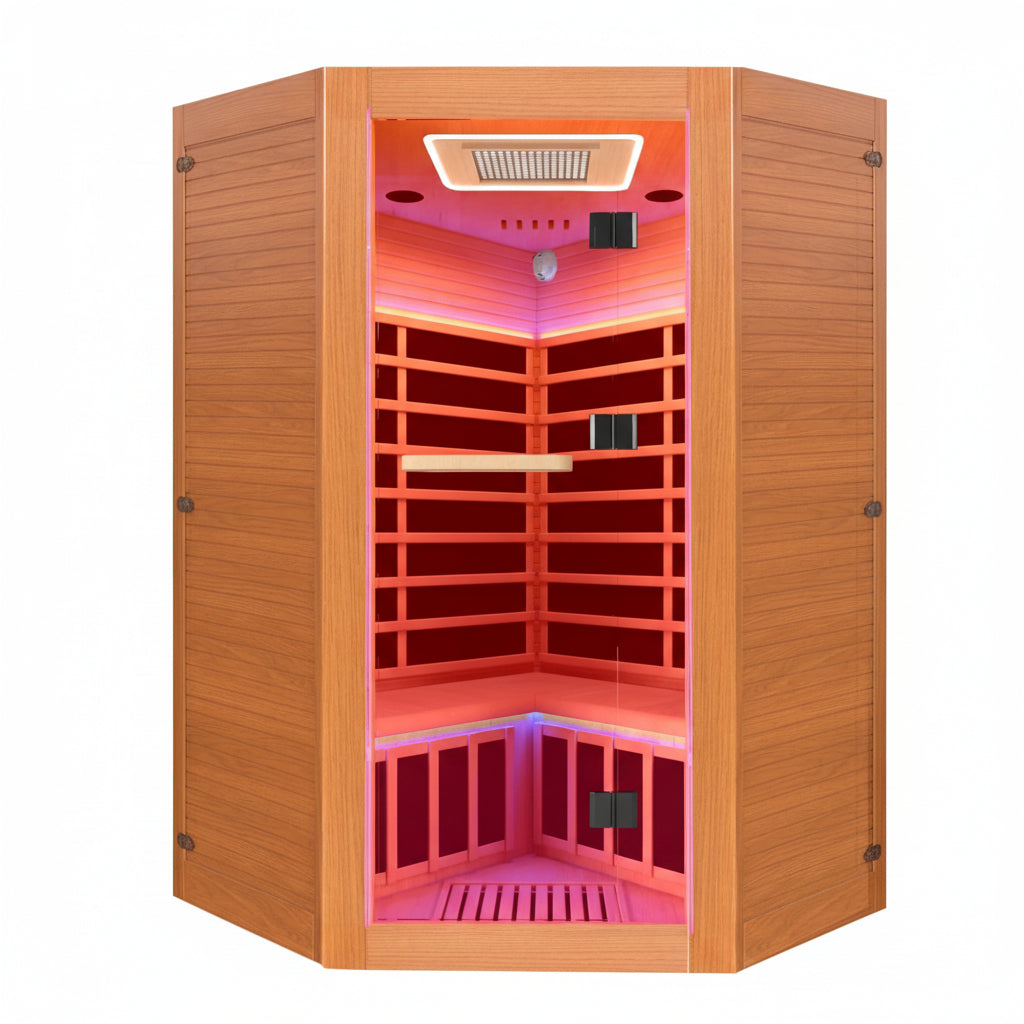
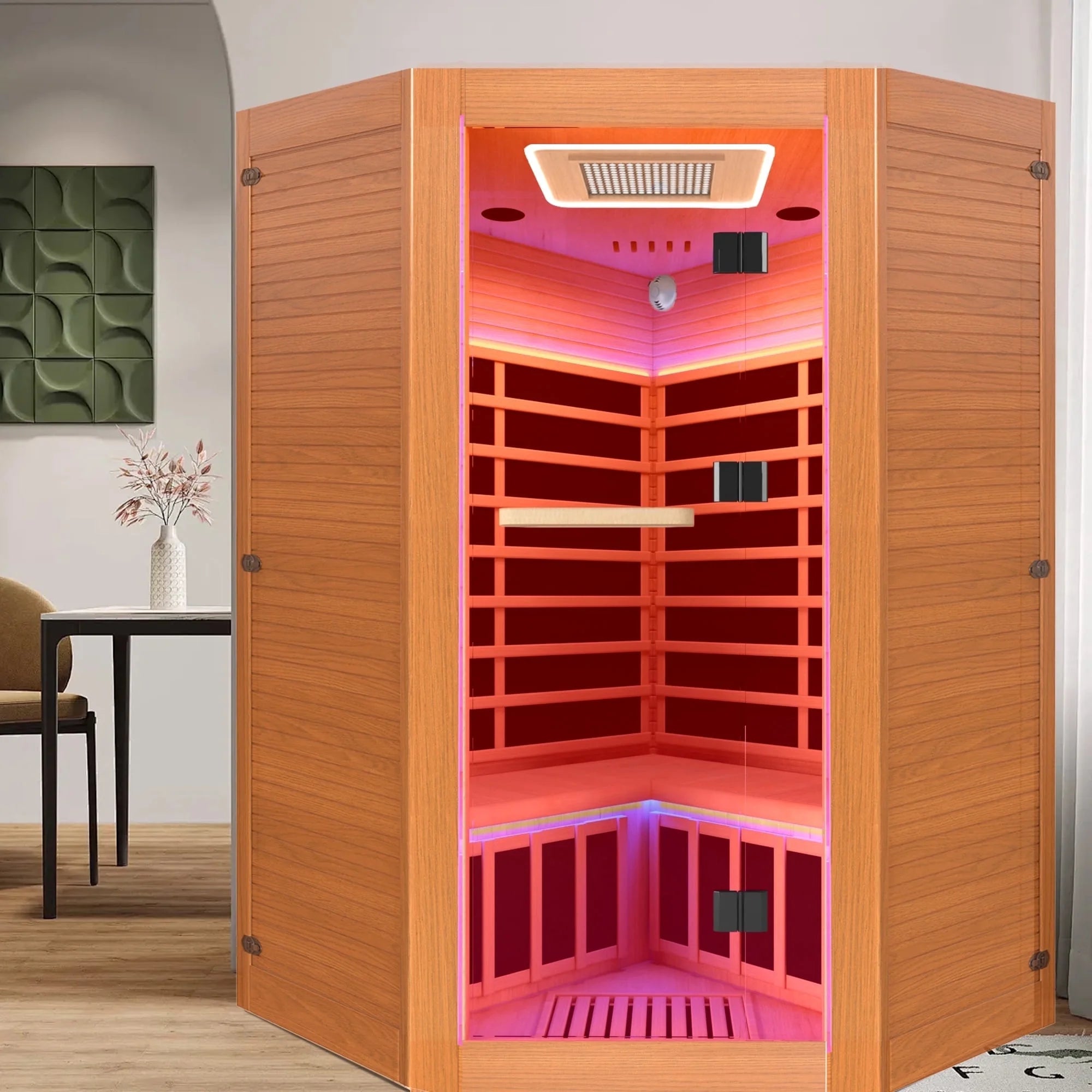
Solara™ Sanctuary Infrared Sauna
Sale price$2,879.99
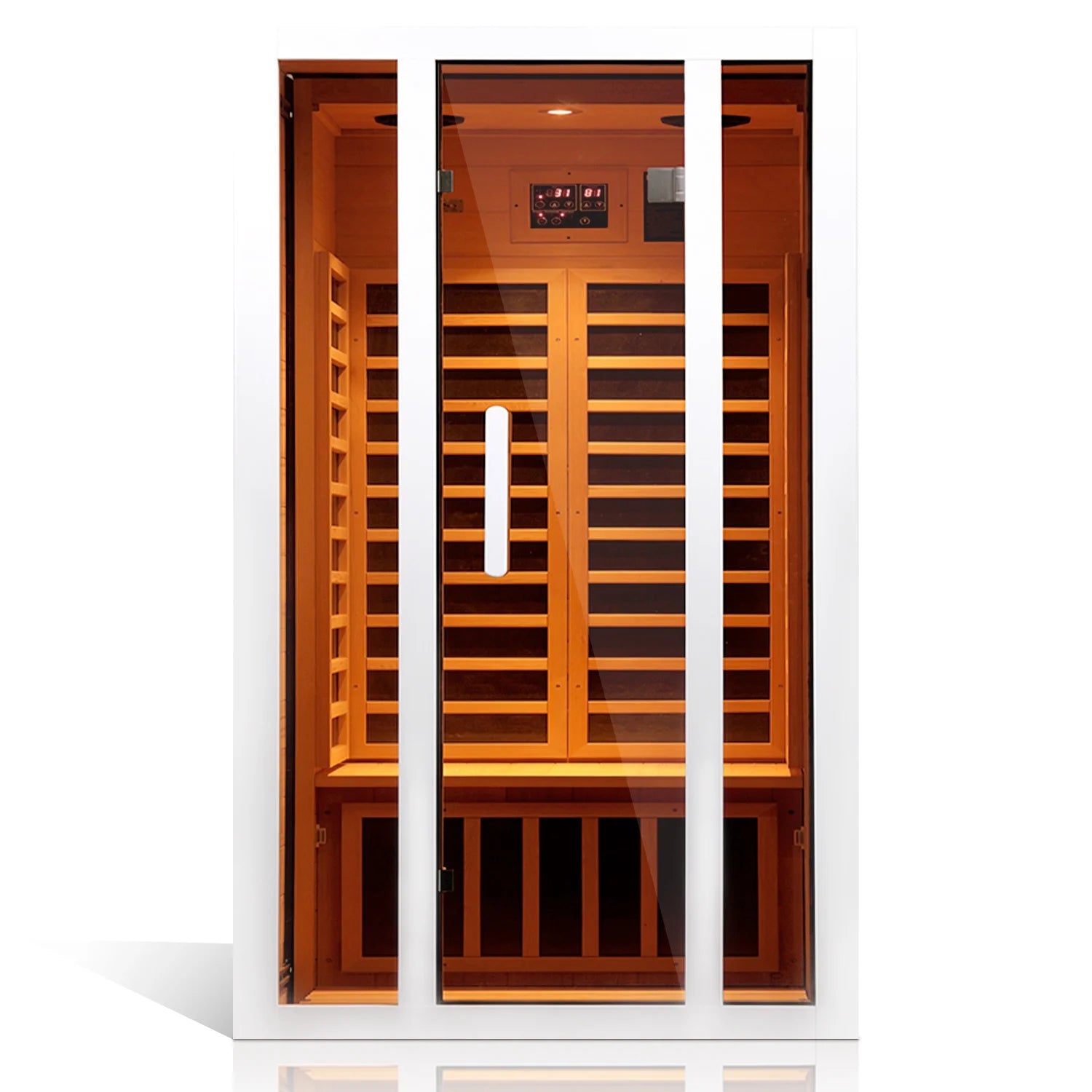

Solara™ Essential Recovery Sauna (2-Person)
Sale price$3,089.99
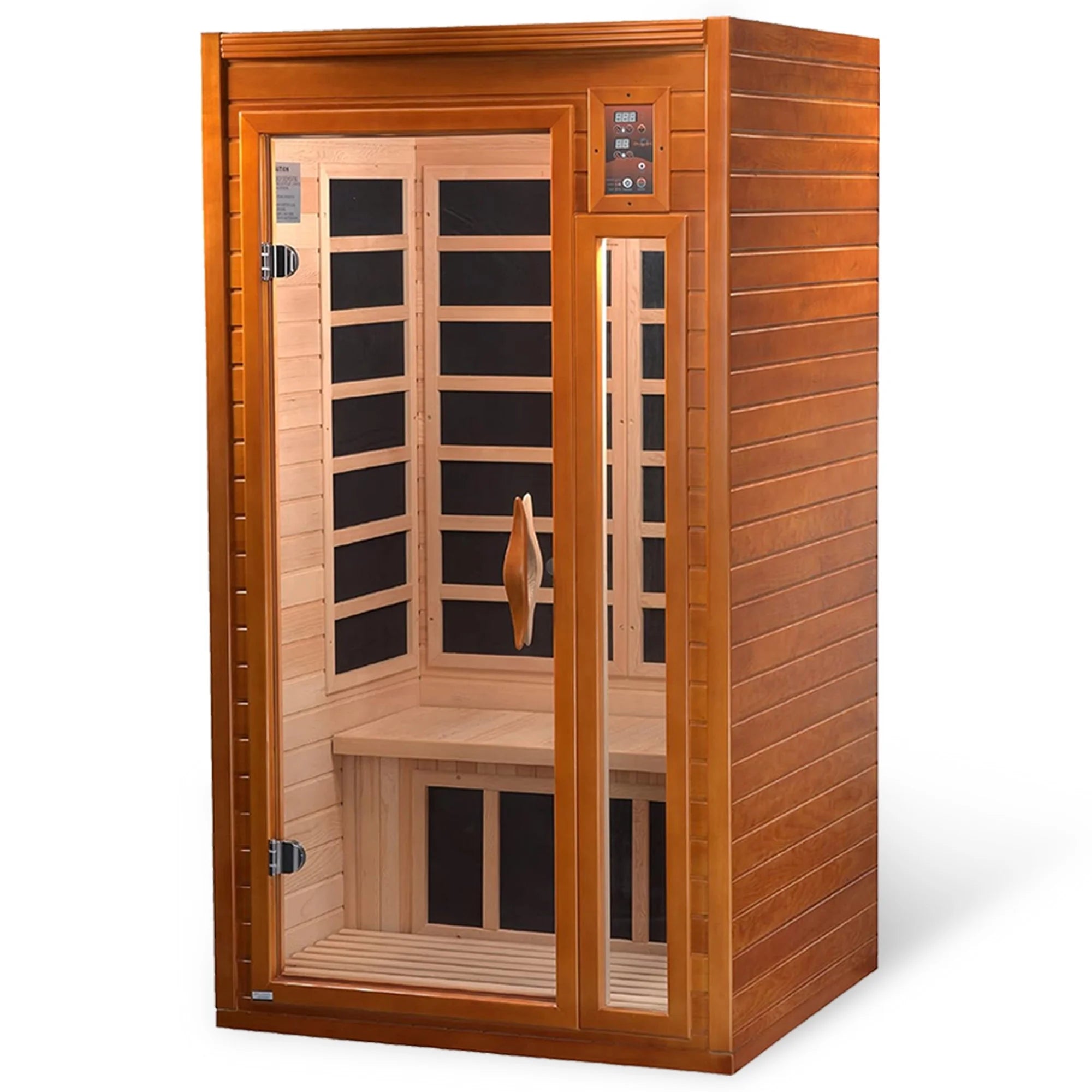

Solara™ Barcelona Serenity Sauna
Sale price$2,359.99
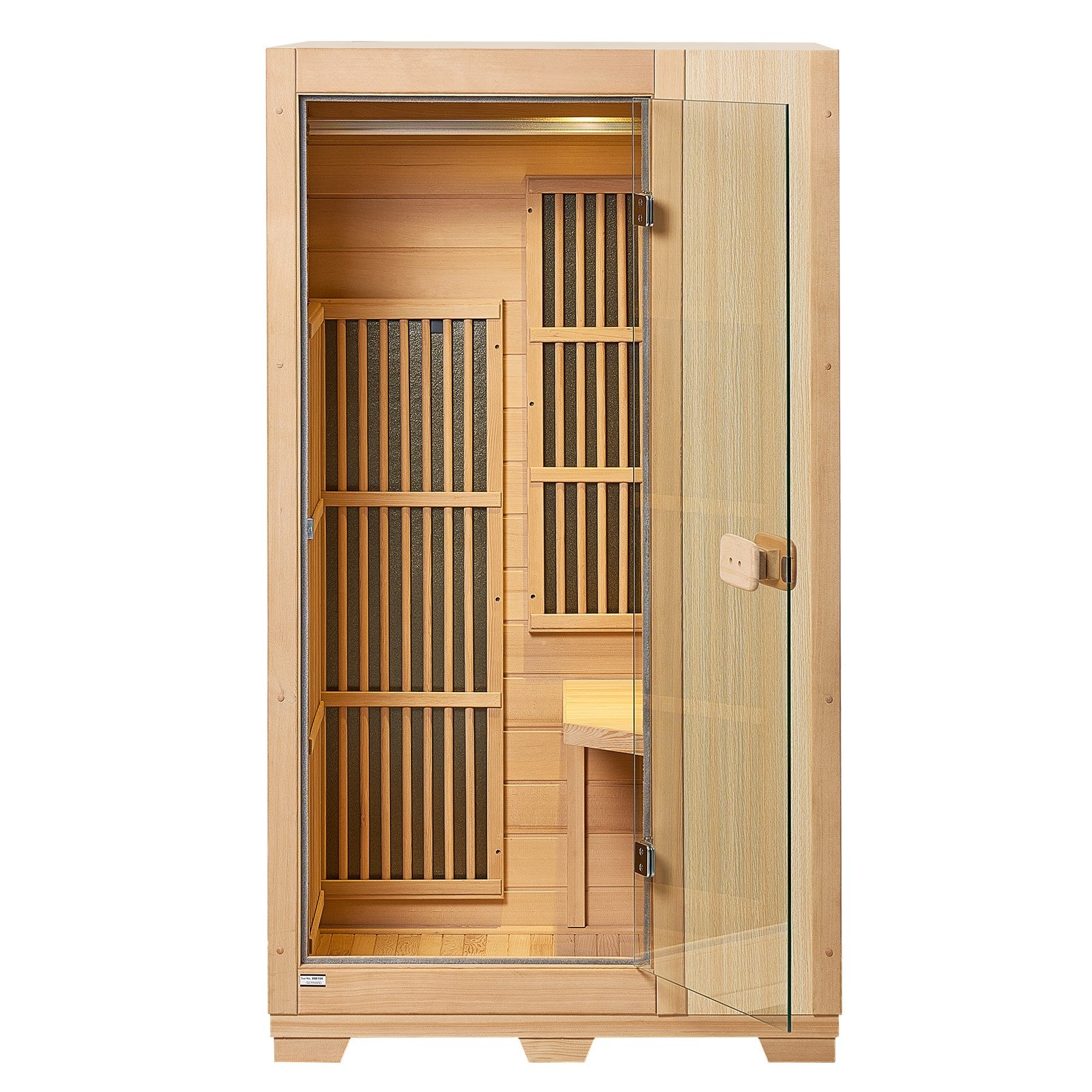
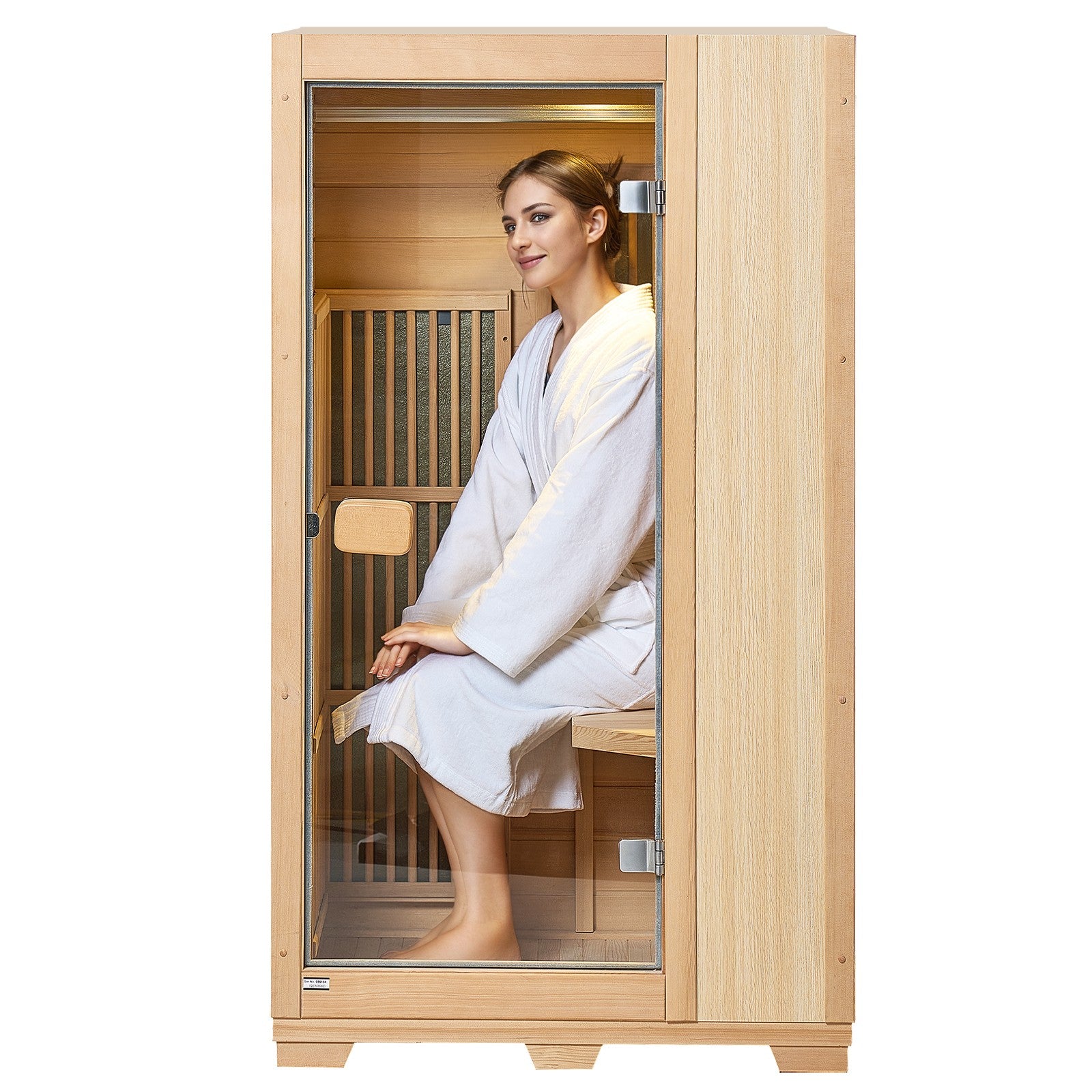
Solara™ Essential Recovery Sauna (1-Person)
Sale price$1,489.99