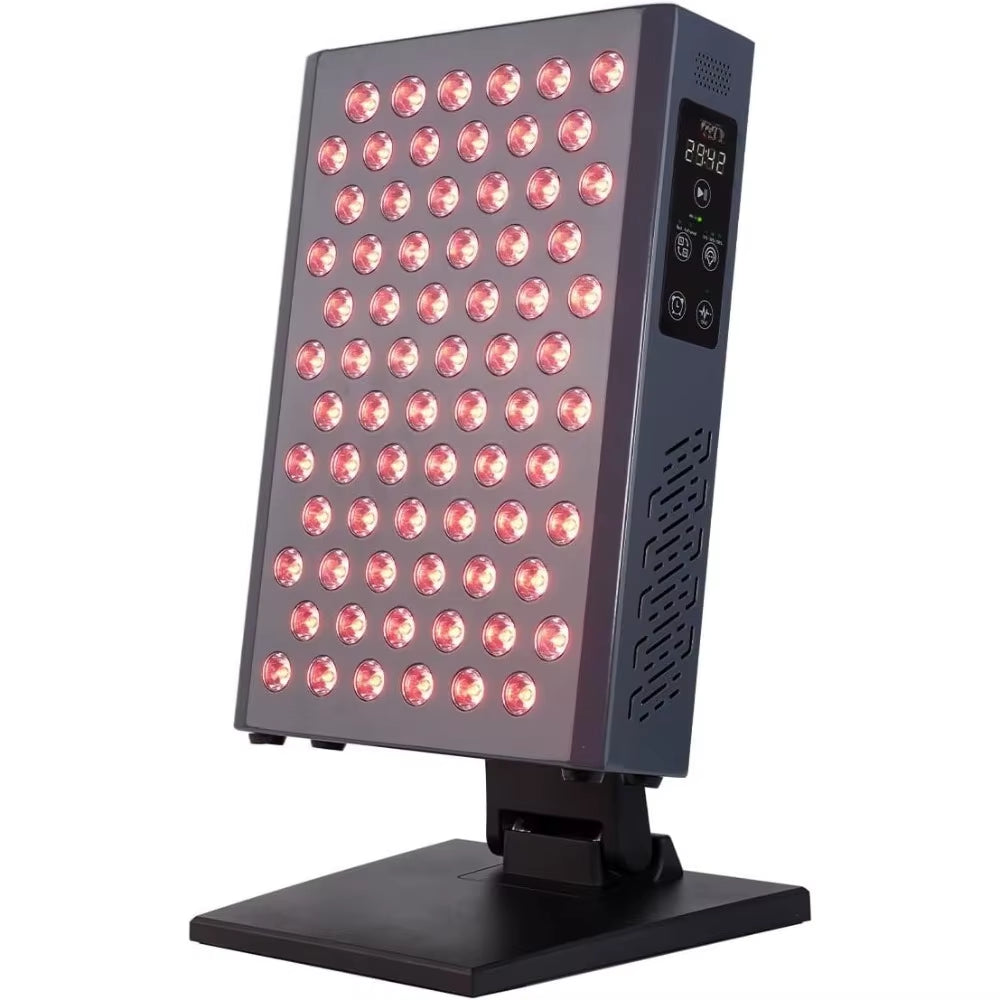
Red Light Panels
Red light panels deliver specific wavelengths of light — primarily 660nm (red) and 850nm (near infrared) — designed for at home use as part of a daily wellness routine. Premium panels bring focused light exposure into home environments for consistent, repeatable use.
Red light panels emit visible red and near infrared light at specific wavelengths. Users typically incorporate them into a morning or post training routine as part of a broader wellness practice that includes sauna, cold immersion, and active recovery.
What to Consider When Choosing a Red Light Panel:
Wavelength Spectrum — Effective red light panels offer specific wavelengths. 660nm (red light) is the most common surface level option. 850nm (near infrared) reaches deeper into the body. Multi wavelength panels combine both for a more versatile experience.
Power Output and Irradiance — Higher wattage panels deliver more light energy per session. Look for irradiance measurements (mW/cm²) at various distances. Quality panels provide 100+ mW/cm² at 6 inches. Distance from panel affects session intensity.
Panel Size and Coverage Area — Targeted panels (12" x 6") work well for specific areas like face, joints, or focused zones. Full body panels (36" x 24" or larger) provide whole body coverage. Consider goals and available space.
LED Quality and Lifespan — Premium LEDs maintain consistent output over 50,000+ hours of use. Lower grade LEDs degrade faster, reducing effectiveness. Verify LED specifications and expected lifespan before purchasing.
Mounting and Positioning — Adjustable stands, wall mounts, and door hangers provide flexible positioning. Fixed mounting works well for dedicated wellness spaces. Portable options offer flexibility for multiple users or locations.
Session Timer and Controls — Built in timers ensure consistent session lengths (typically 10 to 20 minutes). Digital controls simplify operation. Some panels offer smartphone apps for routine management.
Certifications and Testing — Look for ETL or UL certification and third party testing for safety and output accuracy. Certifications verify product quality and electrical safety standards.
Frequently Asked Questions
What are red light panels used for?
Red light panels are part of a daily wellness routine. Athletes and active users incorporate them post training; others use them as part of a morning routine alongside sauna or breathwork.
How long should a red light session be?
Sessions typically last 10 to 20 minutes per area, depending on panel power and distance. Most users do daily sessions or 3 to 5 sessions per week. Longer sessions are not necessarily better — consistent, well dosed sessions deliver the best experience.
What's the difference between red and near infrared light?
Red light (630 to 660nm) is visible. Near infrared light (810 to 850nm) is invisible and reaches deeper into the body. Both wavelengths serve different purposes in a wellness routine.
How close should I be to a red light panel?
Distance affects session intensity. Most users position 6 to 12 inches from the panel. Closer proximity delivers higher irradiance but covers smaller area. Further distance covers more area with lower intensity. Follow manufacturer guidelines for your specific panel.
Are red light panels safe to use at home?
Red light panels are non invasive and designed for home wellness use. Unlike UV light, red and near infrared wavelengths do not damage skin. Avoid direct eye exposure to high power panels. Individuals with light sensitivity or taking medications affected by light should consult a qualified professional.
When will I notice results from a red light routine?
Results vary by application and individual. Most users describe noticing changes after several weeks of consistent use. Consistency matters more than any single session.
Sort by
1 product